A circuit breaker is a key component of every home’s electrical system. It prevents overloads and protects the wiring from damage by cutting power when a fault occurs. When the breaker begins to fail, the consequences go beyond inconvenience. Faulty circuits can cause power loss, overheating, or even electrical fires. In many Thai homes, aging systems and increasing power demand make circuit breaker replacement an important part of home maintenance. Recognizing the early warning signs helps homeowners take action before minor issues turn into costly repairs.
Frequent Power Trips
Circuit breakers are designed to interrupt current instantly when the load exceeds their rated capacity, typically 80 percent of the breaker’s ampere limit. When tripping occurs several times a week without any new appliance being added, it often signals wear in the thermal or magnetic release components. In Thailand, where many older homes still use 16 A or 20 A breakers installed more than ten years ago, the growing use of air conditioners, microwaves, and water heaters can easily overload the system. This consistent overcurrent weakens the breaker’s spring mechanism and contact surfaces, making future trips more frequent even under normal use.
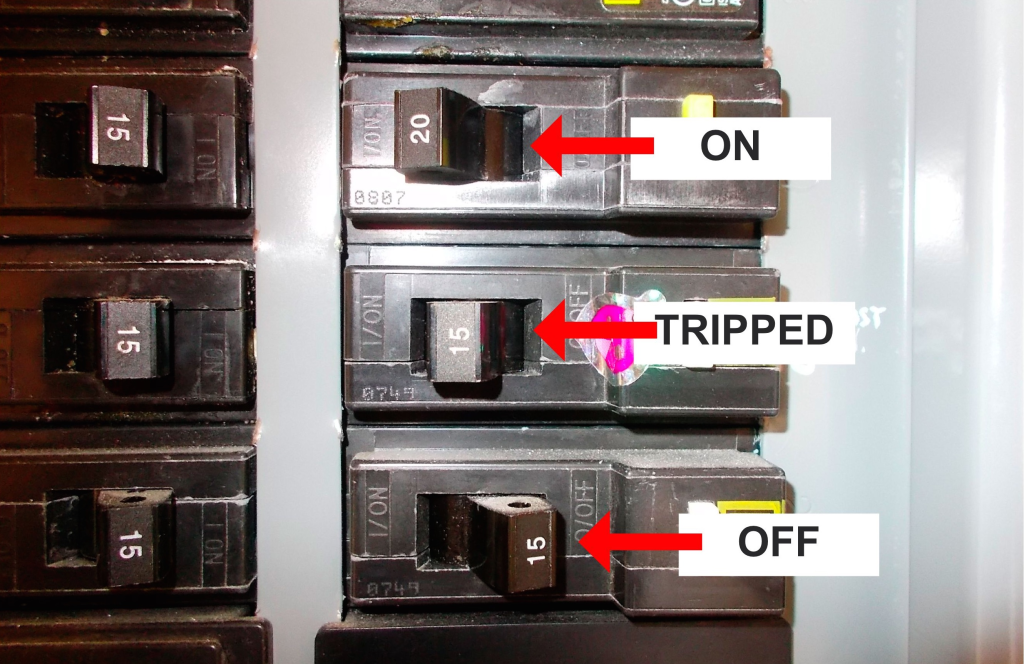
Excessive tripping also raises the internal temperature of the breaker, which accelerates contact oxidation and increases resistance in the circuit. These micro-faults can reduce voltage stability and shorten the lifespan of connected appliances. When the breaker shows this pattern, technicians typically measure the current draw on each line using a clamp meter and compare it to the breaker’s rated amperage. If readings exceed 80 percent of the rated value for extended periods, a circuit breaker replacement or a panel upgrade to a higher-capacity model is recommended under the Thai Industrial Standards (TIS 11-2553) for residential electrical safety.
Burn Marks or a Burning Smell
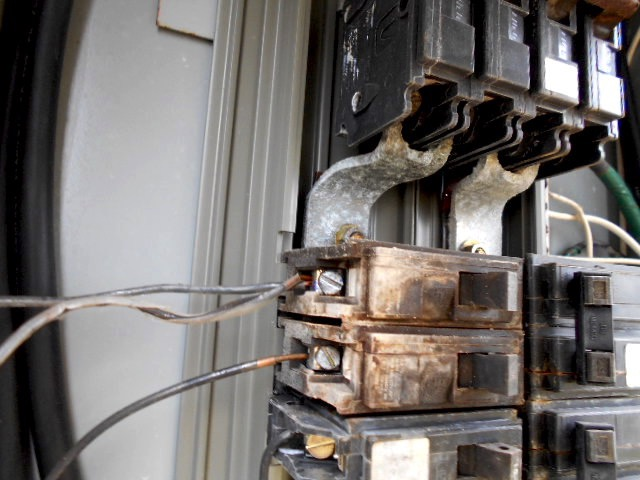
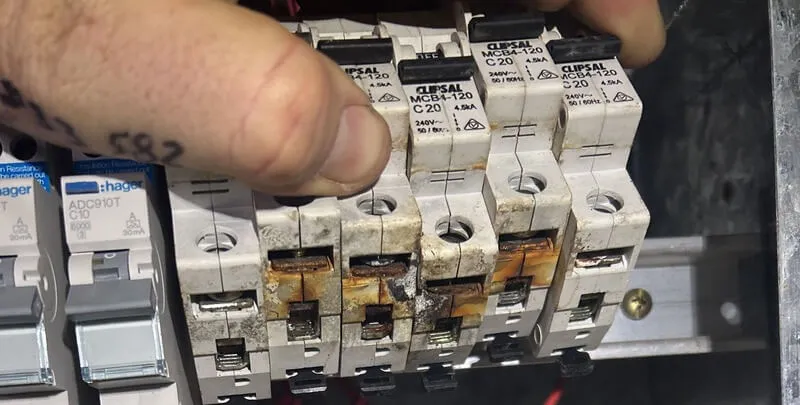
Any trace of heat damage on or around a circuit breaker indicates a serious fault. Burn marks, melted insulation, or a faint burning smell often come from electrical arcing, which happens when current jumps across a loose terminal instead of following the copper conductor. This can occur if the screw connections inside the breaker lose torque or if corrosion forms on the contact surfaces. In Thailand’s humid coastal regions, high moisture levels speed up oxidation inside panels and increase the chance of surface burning even when current loads remain within the normal range.
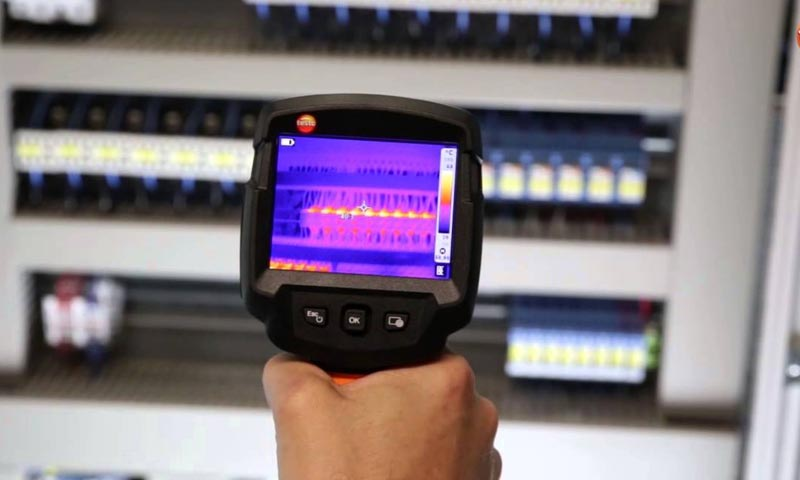
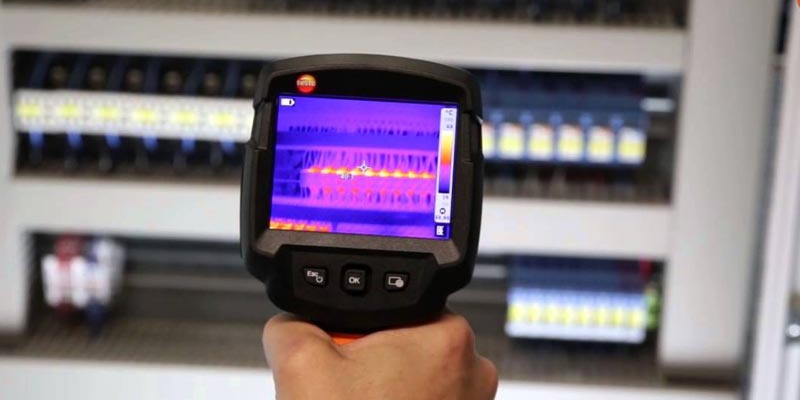
These signs should never be ignored. Electrical arcing can reach temperatures above 3,000 °C, hot enough to deform breaker casings and ignite surrounding materials. Once visible charring appears, the breaker has already lost part of its contact pressure and may fail to trip at the correct threshold. Electricians usually confirm the fault by checking terminal tightness and using infrared thermography to identify heat spots. If the heat reading is more than 40 °C above ambient temperature, a full circuit breaker replacement is recommended under Thai Electrical Safety Regulation A5-2556 to reduce the risk of fire or equipment damage.
Breaker Feels Hot to the Touch
A circuit breaker should remain close to room temperature during normal operation. If it feels warm or hot when touched, heat buildup inside the panel is already occurring. This usually results from two conditions: a sustained overload that pushes the breaker near its rated limit for long periods, or internal wear that increases electrical resistance. The resistance causes heat at the contact points, which in turn accelerates metal fatigue and insulation breakdown. In older Thai homes, dust accumulation and poor ventilation inside breaker boxes often worsen the problem by trapping heat around the terminals.
A consistently warm breaker is a clear sign that it is no longer functioning efficiently. Prolonged exposure to heat can cause plastic components to deform and compromise the tripping mechanism. Electricians typically inspect this issue using a thermal scanner or an infrared thermometer. A surface temperature exceeding 60 °C indicates abnormal heating that requires immediate replacement or a review of load distribution across circuits. Following Thai Industrial Standards for electrical installations, periodic temperature checks can prevent these faults and extend the service life of both breakers and household wiring.
Lights Flicker or Appliances Lose Power
When lights dim or flicker and appliances randomly shut off, the cause often lies in unstable voltage flow. A deteriorating circuit breaker can fail to maintain consistent contact, leading to voltage drops that interrupt power distribution. In homes where large appliances such as refrigerators and air conditioners share circuits with lighting systems, these fluctuations become more noticeable. This issue can also occur when a breaker’s contact points have eroded, resulting in micro-arcing that disrupts current delivery even without a full overload.
Such irregular power flow can shorten the lifespan of electronic devices by stressing internal circuits. A qualified electrician can measure voltage stability using a multimeter while heavy-load equipment is running. If voltage levels fall more than ten percent below the standard 220 volts, the breaker may no longer regulate current effectively. Replacing it ensures that sensitive devices such as televisions and computers receive steady power in line with Thai Industrial Standard TIS 11-2553, which specifies acceptable voltage tolerance for residential electrical systems.
Outdated or Undersized Electrical Panels
Many homes in Thailand still rely on electrical panels that were installed more than a decade ago. These older panels were designed for lower electricity consumption and are often limited to 30 or 40 amperes. Modern households, however, frequently require higher loads to support air conditioners, water heaters, and home entertainment systems. When the total demand exceeds the rated capacity of the main breaker, it leads to overheating, frequent tripping, and an increased risk of insulation failure. Older panels may also lack residual current devices (RCDs) that provide additional protection against electric shock.
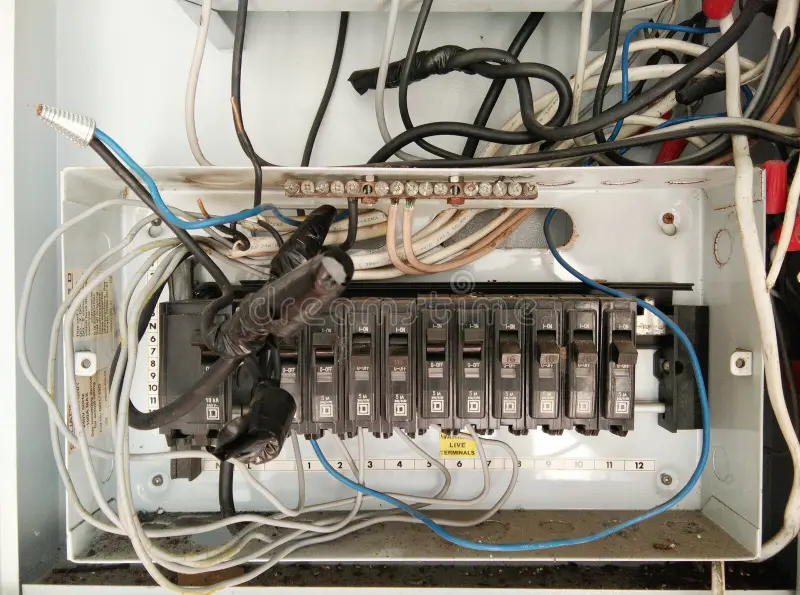
Replacing an outdated or undersized panel improves both safety and efficiency. A licensed electrician can perform a load calculation to determine whether the existing main breaker and wiring size meet the household’s current energy demand. Upgrading to a 63 A or 100 A panel in accordance with Thai Industrial Standard TIS 1436-2540 ensures that the distribution board can handle the load safely. This upgrade also provides compatibility with modern safety devices and prepares the system for future additions such as solar power integration or electric vehicle charging.
Ensuring Electrical Safety at Home
Replacing a circuit breaker is not only about fixing power interruptions but about maintaining long-term electrical safety. Heat damage, loose terminals, and frequent tripping often develop slowly and can go unnoticed until serious faults occur. Thailand’s warm climate and increasing household energy use make regular inspection even more important to prevent short circuits or wiring failures.
EPS combines electrical engineering experience with a detailed understanding of Thai residential standards. Each replacement or panel upgrade is carried out using certified components and proper load assessment to ensure safe, stable operation. Homeowners receive clear advice on the most suitable breaker types for their usage, from small household panels to high-load systems.
By following Thai Electrical Safety Regulations and using proven installation practices, EPS helps homeowners create safer and more efficient living spaces. Choosing professional circuit breaker replacement not only prevents hazards but also ensures your electrical system performs reliably for years to come.