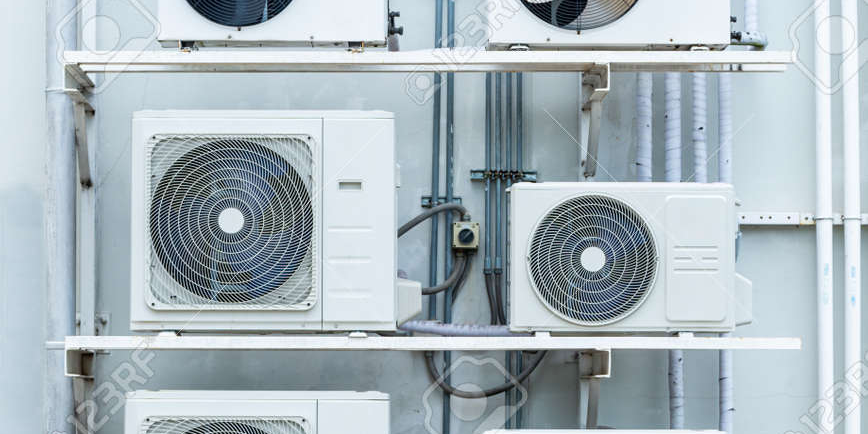
Thailand’s electricity consumption reached 214,469 GWh in 2024, with household usage increasing by 7.7%, according to the Energy Policy and Planning Office. This increase is closely linked to the growing use of air conditioners, water heaters, and other high-load appliances in residential properties. Many homes, especially older houses and units that have been renovated without a full electrical upgrade, still operate on systems designed for lower demand. Standard household connections from providers such as the Provincial Electricity Authority are often left unchanged even as total load increases. As a result, electrical issues such as circuit overload, uneven load distribution, and gradual wiring deterioration can develop over time without obvious warning, often remaining hidden until performance or safety is affected.
Overloaded Circuits: The Most Common Hidden Issue
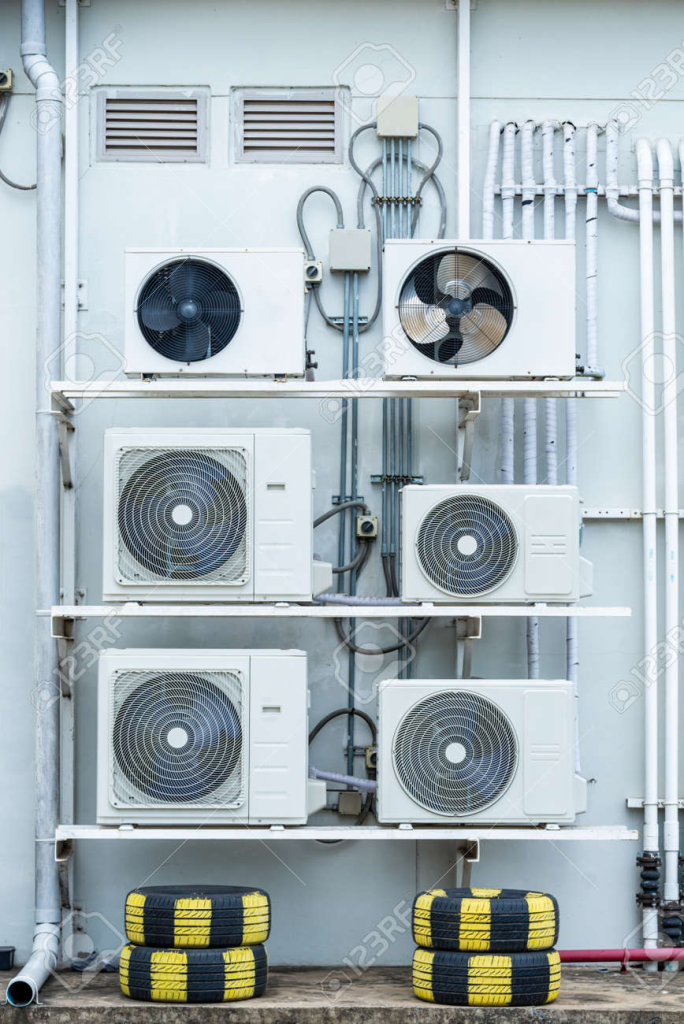
Overloaded circuits are one of the most common electrical problems in Thai homes, especially in properties where appliance usage has increased without a corresponding upgrade in electrical capacity. A single instant water heater typically operates at around 3,500W, while a standard air conditioner can draw between 1,000W and 2,500W depending on size. When these appliances run at the same time, the combined load can quickly rise beyond what older circuit layouts were designed to handle, particularly in homes where multiple rooms, kitchens, and bathrooms share the same electrical lines.
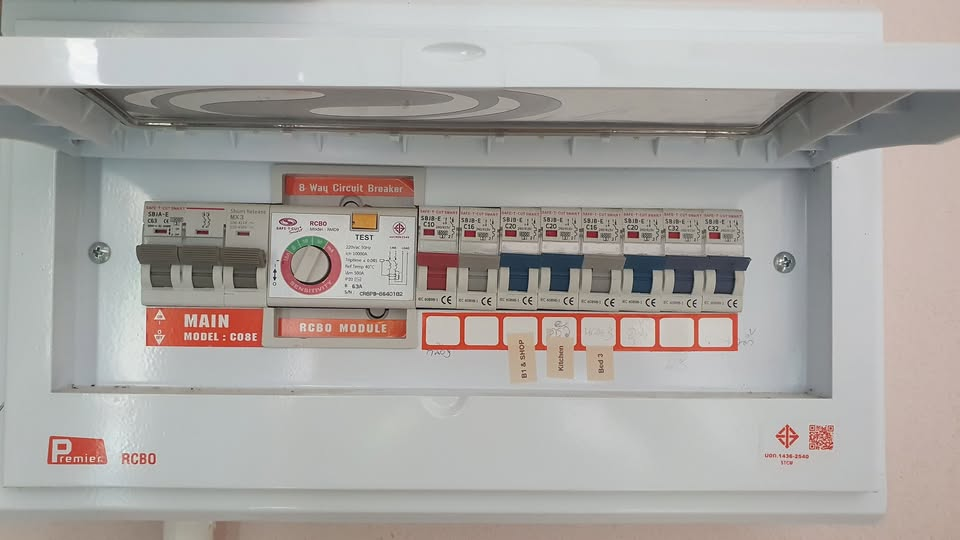
This issue becomes more apparent when considering the limits of typical household supply from utilities such as the Provincial Electricity Authority. Common residential connections, including 15(45)A or 30(100)A single-phase systems, define the maximum current that can safely pass through the system. When demand approaches or exceeds these limits, heat begins to build within wiring and connection points. This does not always result in immediate failure, but repeated stress can weaken insulation and reduce system stability over time, often showing early signs such as flickering lights, inconsistent power, or circuit breakers that trip under normal usage.
Wiring Deterioration in Heat and Humidity
Electrical wiring in Thai homes is often installed in ceiling spaces and wall cavities where temperatures remain consistently high, especially during peak daytime conditions. At the same time, indoor and outdoor humidity levels in Thailand commonly range between 70% and 85% for much of the year, creating an environment where moisture can affect cable insulation over long periods. Technical studies on electrical insulation show that prolonged exposure to heat and humidity accelerates material degradation, reducing its ability to contain electrical current effectively. Since this process occurs gradually within enclosed spaces, wiring can continue to operate while its condition steadily declines.
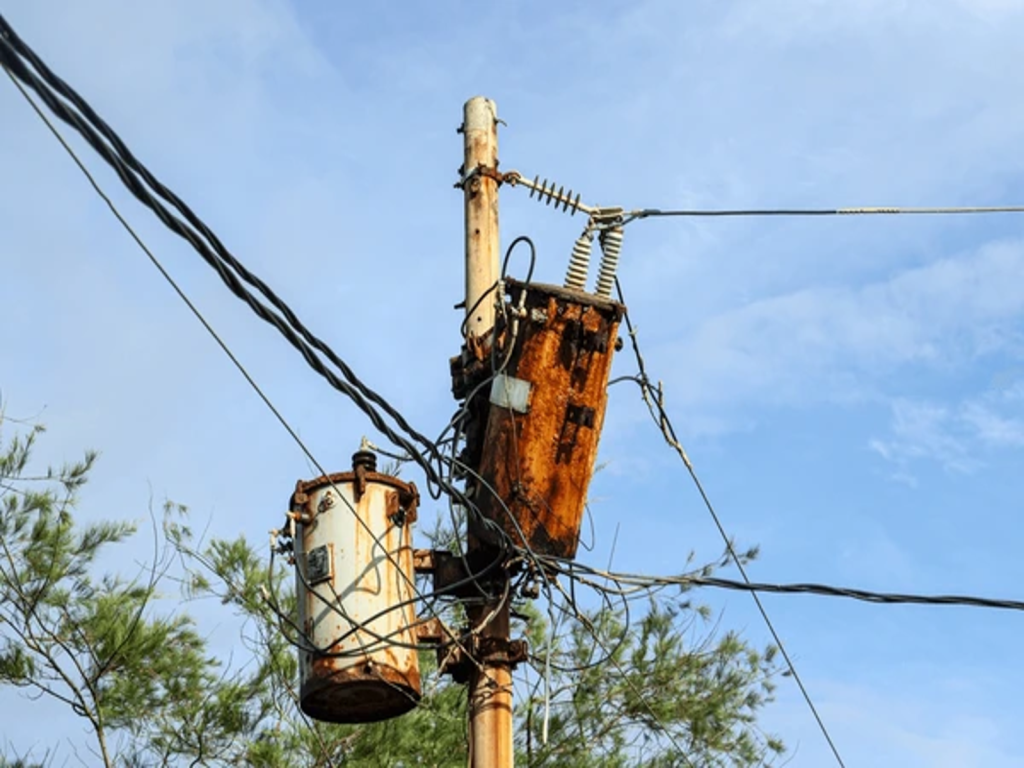
In coastal areas such as Pattaya, airborne salt further increases the rate of deterioration by affecting exposed conductors and connection points. When corrosion forms at terminals or joints, electrical resistance increases, which in turn generates additional heat as current flows through the circuit. This localized heating places stress on both the conductor and surrounding insulation. At the same time, degraded insulation is more susceptible to leakage current, particularly under high humidity conditions. These effects do not always produce immediate failure, but they can lead to unstable electrical performance, increased energy loss, or faults that only become noticeable under higher load conditions.
Poor Renovation and Uneven Load Distribution
In many Thai homes, electrical systems are extended as new rooms, kitchens, or appliances are added, but the original circuit layout is often left unchanged. Instead of installing new dedicated circuits, additional outlets are connected to existing lines. This means circuits that were originally designed for limited use are required to support higher loads, including appliances such as air conditioners and instant water heaters, which can exceed 3,000W each. When several of these appliances operate on the same circuit, the total load can exceed the circuit’s intended capacity even if the overall household supply remains within limits.
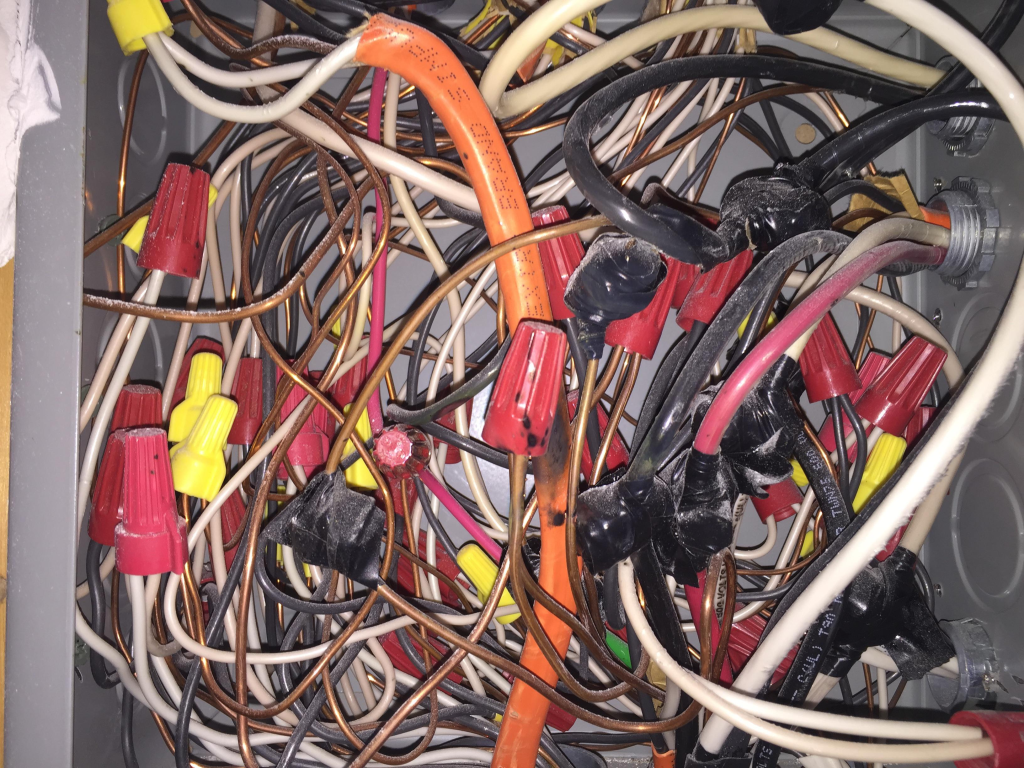
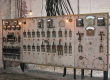
This creates uneven load distribution within the system, where certain circuits carry significantly more current than others. While the main supply from providers such as the Provincial Electricity Authority may still fall within standard configurations such as 15(45)A or 30(100)A, individual circuits can experience sustained overload. Under these conditions, heat builds up repeatedly at specific points in the wiring, especially at joints and connection terminals. Over time, this localized stress increases the likelihood of insulation damage or connection failure, which may only become noticeable through signs such as frequent breaker trips or inconsistent power in specific areas of the home.
When to Schedule an Electrical Inspection for Your Home
Electrical problems that continue under normal usage often indicate underlying issues within the home electrical system. If circuit breakers trip repeatedly, lights flicker when appliances are switched on, or certain areas experience inconsistent power, the cause is usually linked to overload, wiring condition, or uneven load distribution rather than a single faulty device. These signs point to conditions that can worsen over time, especially in systems already operating near capacity. Scheduling an electrical inspection allows these issues to be identified early, before they lead to more serious damage or system failure.
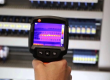
EPS conducts detailed electrical inspections that include load assessment, circuit evaluation, and testing of wiring and connection points to determine the source of the problem before any repair work begins. Each inspection is carried out with consideration of typical residential usage in Thailand, where continuous air-conditioning and high-load appliances place sustained demand on electrical systems. With experience in both residential and commercial properties, EPS provides clear, fact-based recommendations that help homeowners maintain safe, stable, and efficient electrical performance over time.