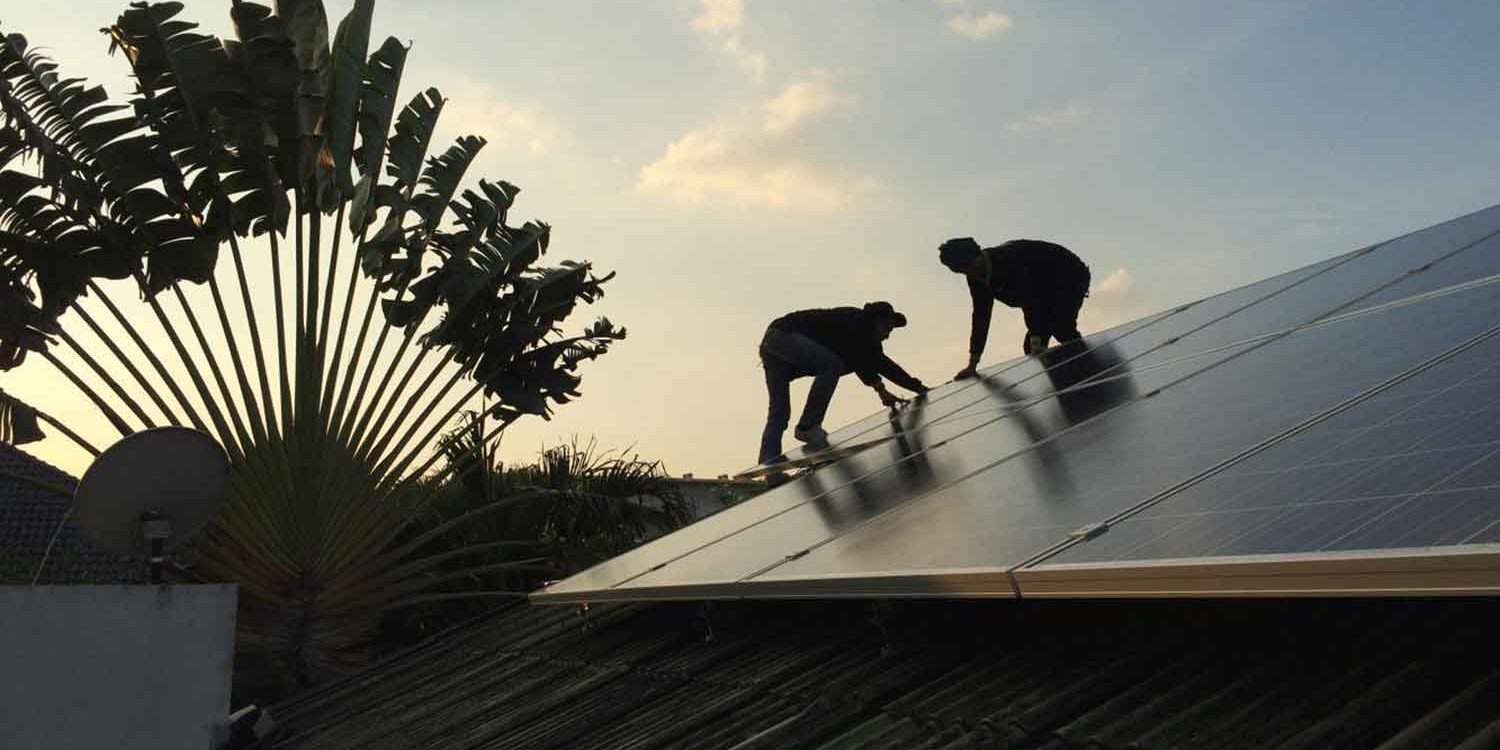
Holiday homes in Thailand are often unoccupied for extended periods, yet electricity consumption does not stop entirely. Systems such as air conditioning, security equipment, pool pumps, and essential appliances continue to operate in the background, resulting in ongoing energy costs even when the property is not in use. This has led many owners to consider solar panels as a possible way to reduce long-term electricity expenses, while others remain uncertain whether installation is justified for a home that is not occupied year-round. Without a clear understanding of how solar systems perform under irregular usage conditions, it is difficult to assess both their financial value and practical limitations. Examining how energy consumption patterns affect solar performance is a necessary first step in determining whether solar panels are suitable for holiday homes in Thailand.
Electricity Consumption Patterns in Holiday Homes
Uneven electricity consumption in holiday homes can be identified through monthly billing data and electrical load behaviour rather than assumptions about daily use. In Thailand, electricity charges are calculated based on accumulated kilowatt-hour usage within a fixed billing cycle. Properties that are occupied only during certain months typically show clear variations in billing records, with higher consumption during periods of residence and consistently lower but persistent usage when the home is vacant. This pattern reflects intermittent demand rather than continuous residential use.
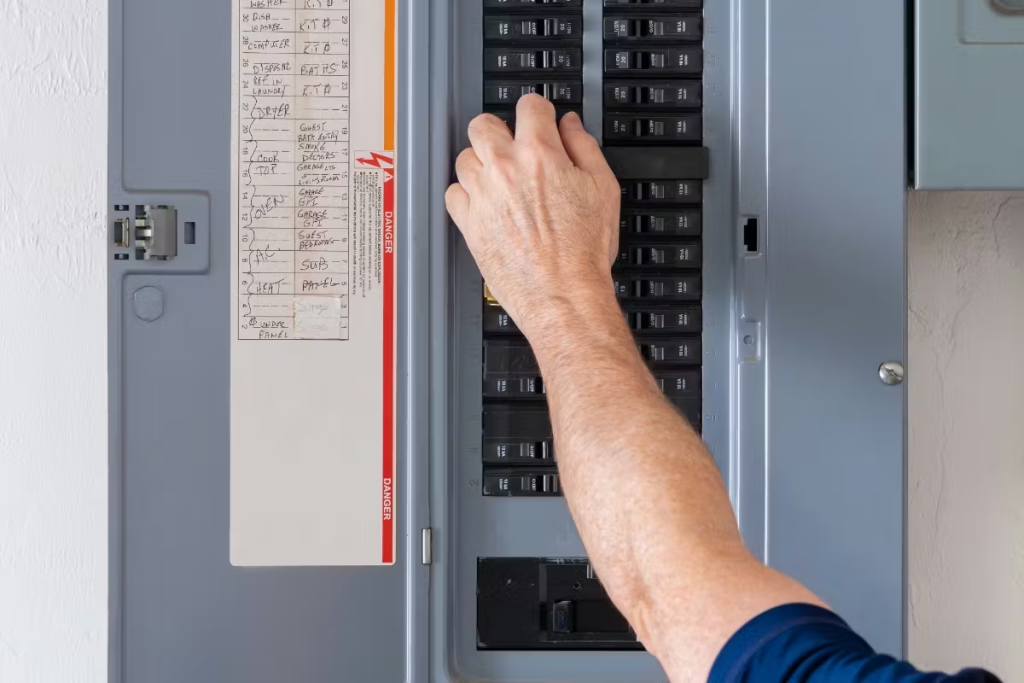
Even during unoccupied periods, electricity consumption does not fall to zero. Fixed electrical systems such as pool circulation equipment, water pumps, security systems, internet routers, refrigeration units, and automated lighting continue to operate on scheduled cycles. These loads create a stable base level of electricity use that remains visible on monthly bills regardless of occupancy. When examined over time, this base load contrasts sharply with short-term peaks during occupied periods, forming a consumption profile that is materially different from full-time residences and directly relevant when assessing solar panel suitability for holiday homes in Thailand.
How Electricity Costs Are Calculated in Thailand
Residential electricity costs in Thailand are calculated using a tiered tariff system based on cumulative monthly consumption measured in kilowatt hours. Electricity is not charged at a single flat rate. Instead, lower levels of usage are billed at lower prices, with costs increasing as consumption moves into higher bands. Under the standard residential tariff, the first portion of electricity consumed each month is charged at just over two baht per kilowatt hour, while mid-range consumption is billed at slightly above three baht. Once monthly usage exceeds roughly 150 kilowatt hours, the unit price rises to more than four baht per kilowatt hour, meaning additional consumption becomes progressively more expensive rather than simply adding linearly to the bill.
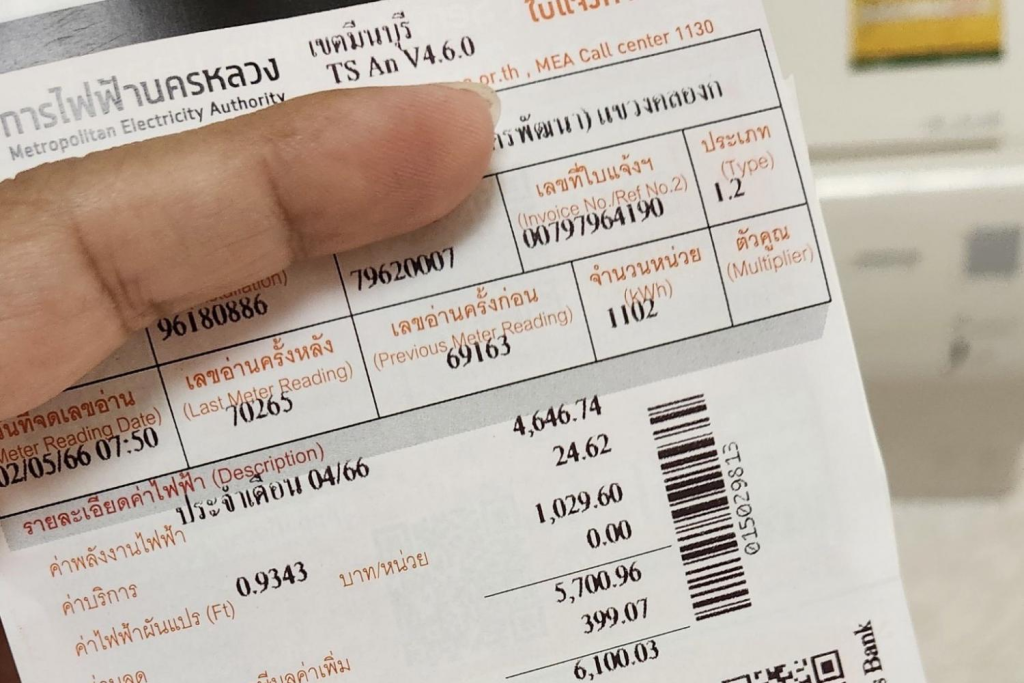
Beyond the base energy charge, several additional cost components are applied. A fixed monthly service charge is added, particularly relevant for properties with low or irregular usage, along with a fuel adjustment charge that fluctuates in response to generation and fuel costs. VAT is then applied to the total amount. When these components are combined, the effective residential electricity price has averaged around 4.26 baht per kilowatt hour in recent periods, although this figure varies as tariffs are periodically reviewed and adjusted. For holiday homes, where electricity use may remain low for long periods before rising sharply during occupancy, this billing structure means that both background consumption and short-term increases can have a disproportionate effect on total monthly cost. Understanding how these tariff bands and additional charges accumulate is essential when evaluating whether solar panels can meaningfully reduce electricity expenses for holiday homes in Thailand.
How Solar Generation Offsets Electricity Charges
Solar panels generate electricity during daylight hours, with output determined by sunlight intensity and system size. In Thailand, residential rooftop systems typically produce meaningful amounts of electricity between late morning and mid-afternoon, supported by high annual solar exposure. Under normal conditions, a residential system can generate approximately four to five kilowatt hours of electricity per installed kilowatt per day. Over a full billing cycle, this results in a substantial volume of on-site electricity generation. However, this electricity reduces costs only when it is consumed within the property at the time it is produced. Electricity generated but not used on site does not automatically translate into lower monthly charges unless specific system arrangements are in place.
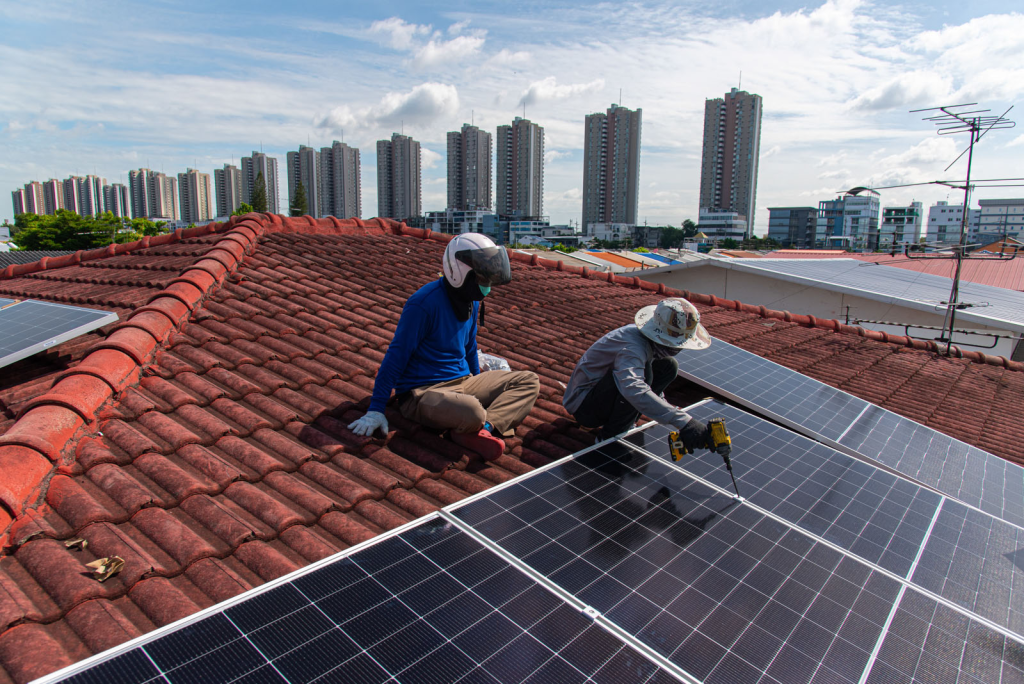
For holiday homes, the timing of electricity use becomes a defining factor in cost reduction. During occupied periods, daytime solar production can directly offset electricity demand from air conditioning, water heating, and household appliances, reducing the amount of power drawn from the grid during higher tariff bands. During vacant periods, electricity use is often limited to background loads such as pool circulation systems, refrigeration, and security equipment, which may not absorb the full amount of solar generation available. In these situations, the effectiveness of solar panels depends less on total annual output and more on how closely daytime generation aligns with on-site demand. This distinction is central to determining whether solar installation delivers practical cost savings for holiday homes in Thailand.
Assessing Suitability and Next Steps
Determining whether solar panels are suitable for a holiday home requires more than a general estimate of potential savings. Factors such as existing electrical loads, tariff exposure, roof orientation, system capacity, and actual periods of occupancy all influence whether solar generation can meaningfully reduce long-term electricity costs. Without a proper assessment, systems may be incorrectly sized or configured in ways that limit their effectiveness, particularly in properties that are not occupied year-round. For holiday homes, understanding how solar production aligns with real usage patterns is a necessary step before any installation decision is made.
EPS carries out solar assessments by examining the property’s electrical infrastructure, historical consumption data, and expected usage during occupied and vacant periods. Recommendations are based on realistic operating conditions in Thailand rather than assumptions of continuous use, with system sizing aligned to how electricity is actually consumed on site. Drawing on experience in residential electrical systems and solar installation, EPS provides practical guidance that allows homeowners to evaluate whether solar panels are a suitable and cost-effective option for their holiday homes in Thailand.