LED lighting has rapidly become the standard for homes and businesses across Thailand, offering lower power use and modern design. But in practice, many cheap LED fixtures fail long before their rated lifespan. In Thailand’s humid climate and unstable voltage conditions, poor-quality lights often burn out or dim within months instead of years.
Factors such as heat buildup, moisture exposure, and the absence of proper TIS-certified components shorten the real LED lifespan in Thailand. Understanding how local conditions affect performance helps homeowners, contractors, and property managers make smarter choices for long-term reliability.
How Humidity and Heat Damage LED Components
Thailand’s warm, humid environment is one of the biggest reasons LED lights lose performance over time. When moisture enters the casing, it corrodes the metal contacts and driver board, causing flickering and reduced brightness. The issue is worse in coastal provinces where salt air accelerates corrosion inside fixtures.
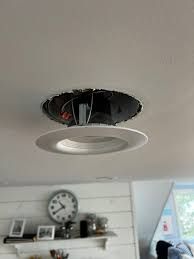
Heat adds another layer of stress. In many homes, ceiling-mounted LEDs operate for long hours in tight spaces without ventilation. As the internal temperature rises, the driver and diode degrade faster, cutting the expected lifespan in half.
Typical signs of climate-related LED damage:
- Yellowing or discoloration of lenses and diffusers
- Flickering or uneven brightness after heavy rainfall
- Corroded connectors or visible condensation inside the housing
Regular inspection and choosing LEDs with IP65 or higher protection can help prevent these issues, especially in outdoor or bathroom installations.
Voltage Fluctuations and Poor Installation Practices
Thailand’s power grid can vary in voltage, especially during peak hours or heavy rain. These fluctuations put strain on LED drivers, which are built to deliver stable current to the light source. When voltage spikes occur, low-quality drivers overheat or fail, leading to flickering, dimming, or total burnout.
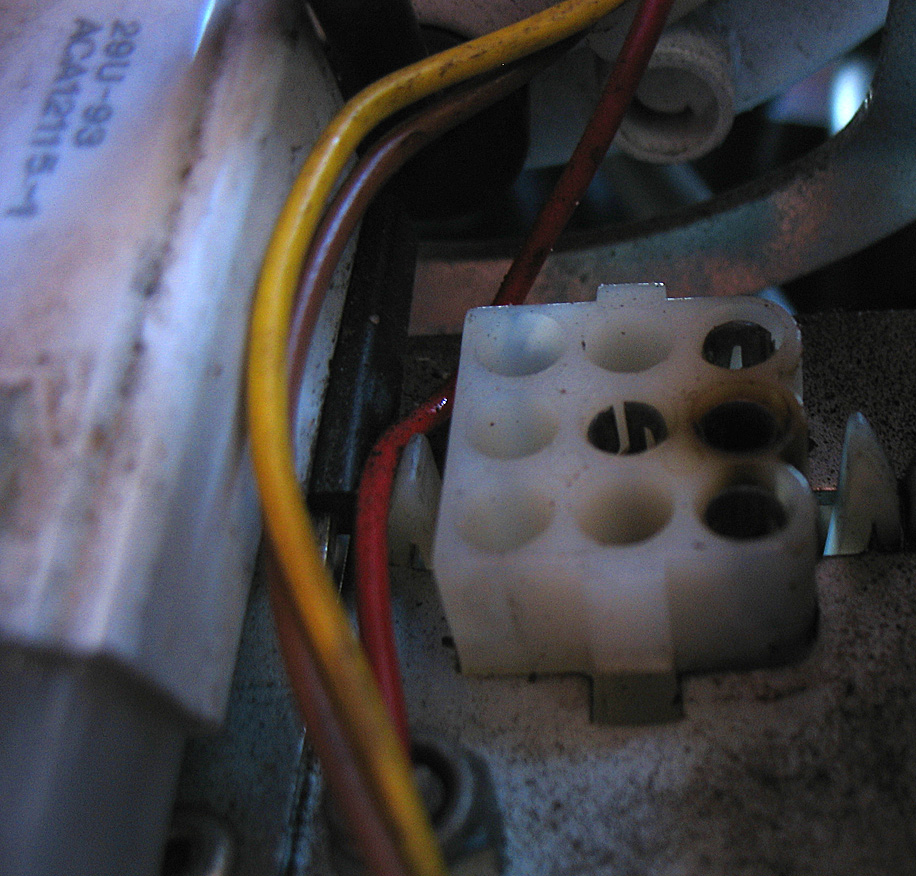
Improper installation makes the problem worse. In many homes, fixtures are connected using undersized wires or installed without surge protection. Poor contact points can cause arcing, while mismatched fittings trap heat and reduce efficiency. Over time, these small issues shorten the overall LED lifespan in Thailand.
Simple steps that improve lighting reliability:
- Use surge protectors or voltage stabilizers for key circuits
- Choose drivers rated for wide voltage ranges (220–240 V)
- Avoid connecting multiple fixtures to a single small cable
- Ensure fixtures are installed in ventilated areas to release heat
Even high-quality LEDs can fail early if they are not installed to basic electrical safety standards. Correct wiring and stable voltage are just as important as product quality.
The Role of TIS Certification in LED Quality
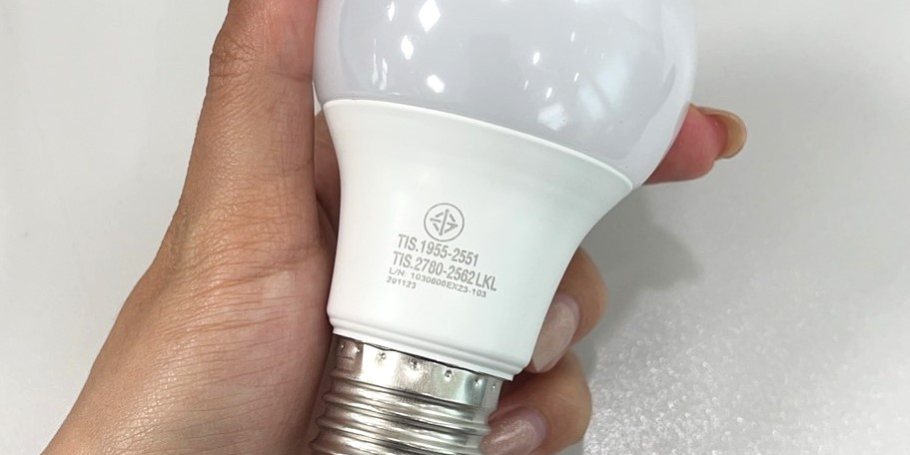
Not all LED products sold in Thailand meet the same safety or performance standards. The Thai Industrial Standards Institute (TISI) sets guidelines for electrical safety, heat resistance, and material quality. LEDs that pass these tests receive a TIS certification mark, confirming they meet national requirements for durability and efficiency.
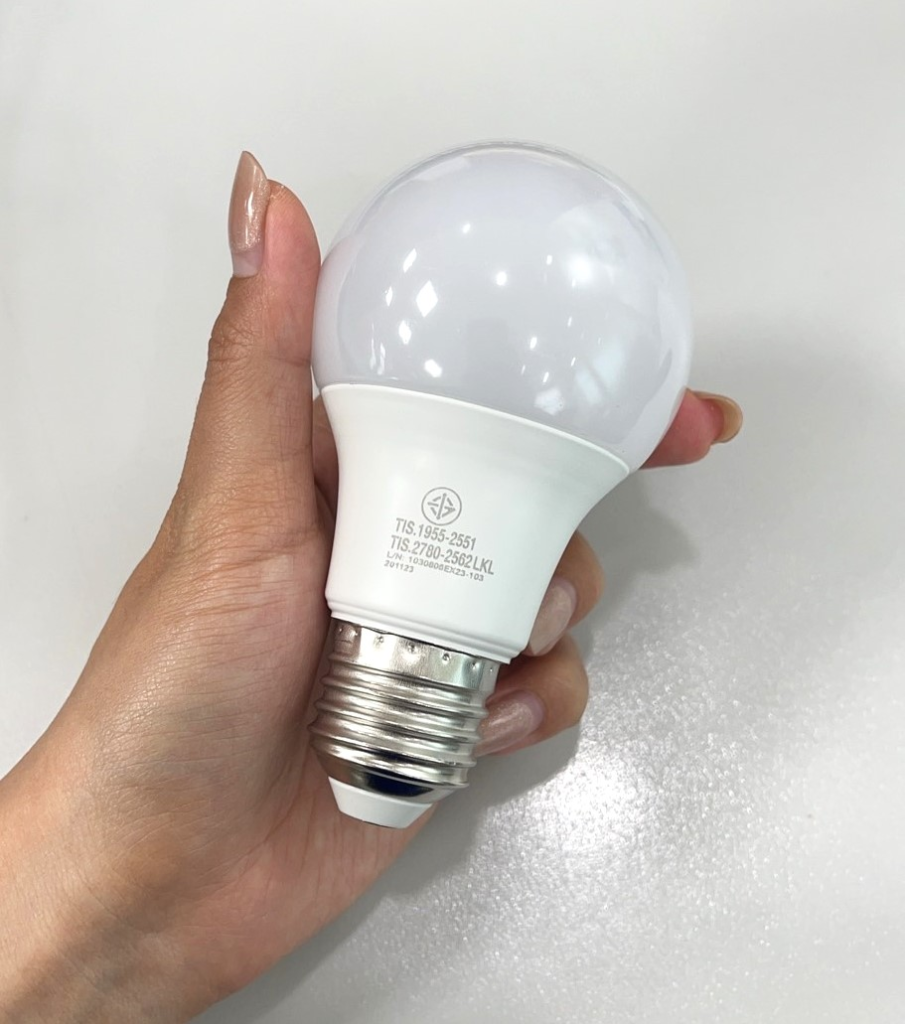
Many low-cost imports skip this process, using untested drivers and plastic housings that degrade quickly under heat and humidity. Without proper certification, there is no guarantee that the light output, insulation, or circuitry will remain stable over time.
Before purchasing LED fixtures, always check:
- The TIS number printed on the label or packaging
- A clear importer or manufacturer name
- Efficiency or energy-rating information verified by EGAT
Choosing certified products does not just improve performance; it helps ensure electrical safety and compliance with Thailand’s building standards.
The Real Cost of Replacing Cheap LEDs
While cheap LED lights may seem economical at first, their short lifespan often leads to higher long-term expenses. Replacing failed fixtures, paying for repeated labor, and managing downtime all add up. Frequent burnouts also increase electrical waste and energy loss from inefficient components.
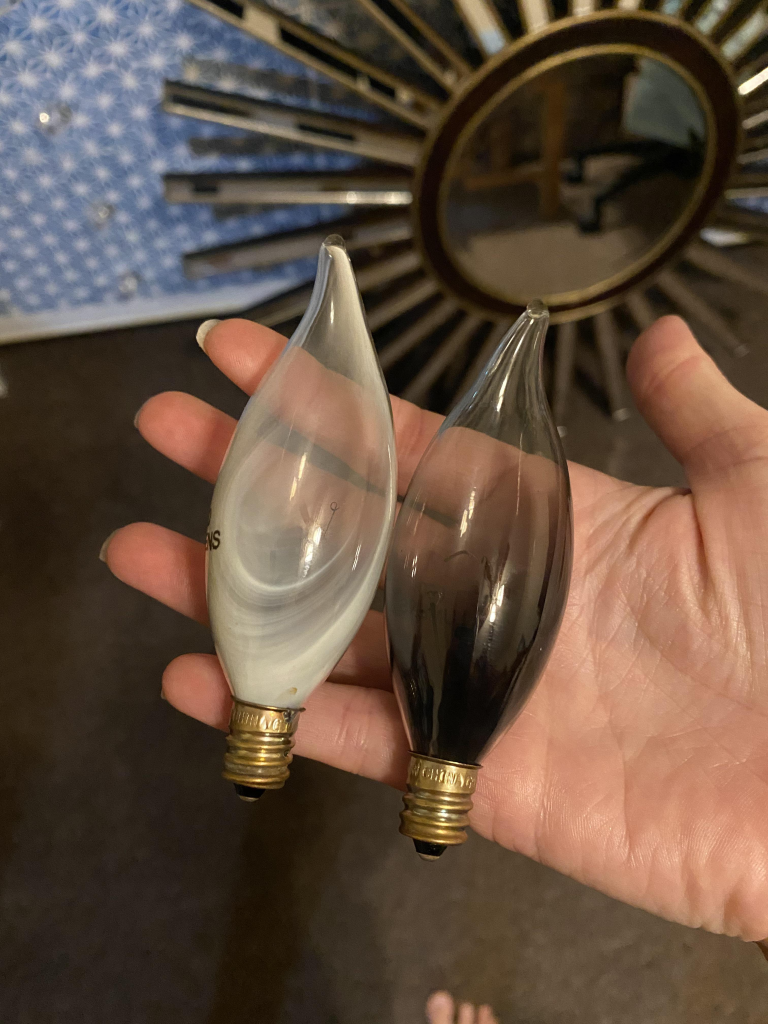
In Thailand’s climate, the difference between a certified fixture and a low-grade one can mean years of service versus months of constant maintenance. Spending slightly more on quality materials usually lowers total cost of ownership.
Hidden expenses often overlooked:
- Extra labor or technician visits for replacements
- Energy loss from unstable or overheating drivers
- Disposal and environmental costs from discarded LEDs
Cheap lighting may save money upfront but rarely lasts through Thailand’s heat and humidity. In the long run, durable and TIS-certified fixtures offer better reliability, safety, and efficiency for both homes and commercial spaces.
Building Reliable Lighting for Thailand’s Homes
In Thailand’s tropical climate, reliable lighting depends on more than brand reputation. The right combination of certified components, proper installation, and environmental awareness determines how long each fixture performs. LEDs built for humidity, heat, and voltage variation last years longer than cheaper alternatives while maintaining brightness and safety.
Across coastal provinces such as Pattaya and Chonburi, EPS applies both local experience and European technical standards to ensure every lighting system is suited to its surroundings. Each project is reviewed for temperature exposure, ventilation, and electrical load balance before installation. The goal is lighting that stays efficient, stable, and visually consistent in Thailand’s demanding conditions, reducing waste and ensuring long-term value.