Many homeowners in Thailand notice that their electricity bills continue to rise even when daily habits remain unchanged. Air-conditioning hours stay the same, appliance use does not increase, yet monthly costs gradually climb. While tariff adjustments play a role, the main cause is often how the building itself interacts with heat, moisture, and electricity. Heat entering through roofs and walls, inefficient cooling, air leakage, and outdated wiring all force systems to work harder than necessary. These physical conditions, not just usage behavior, are what push energy consumption upward over time.
Heat Entry Through Roofs and Walls
Thailand’s climate places constant thermal load on buildings. Daytime outdoor temperatures regularly reach 33 to 36 degrees Celsius, while roof surface temperatures can exceed 60 degrees under direct sun. Concrete and brick absorb this heat and release it slowly into interior spaces throughout the evening. This is why rooms often remain warm long after sunset, even when the outdoor air cools slightly.
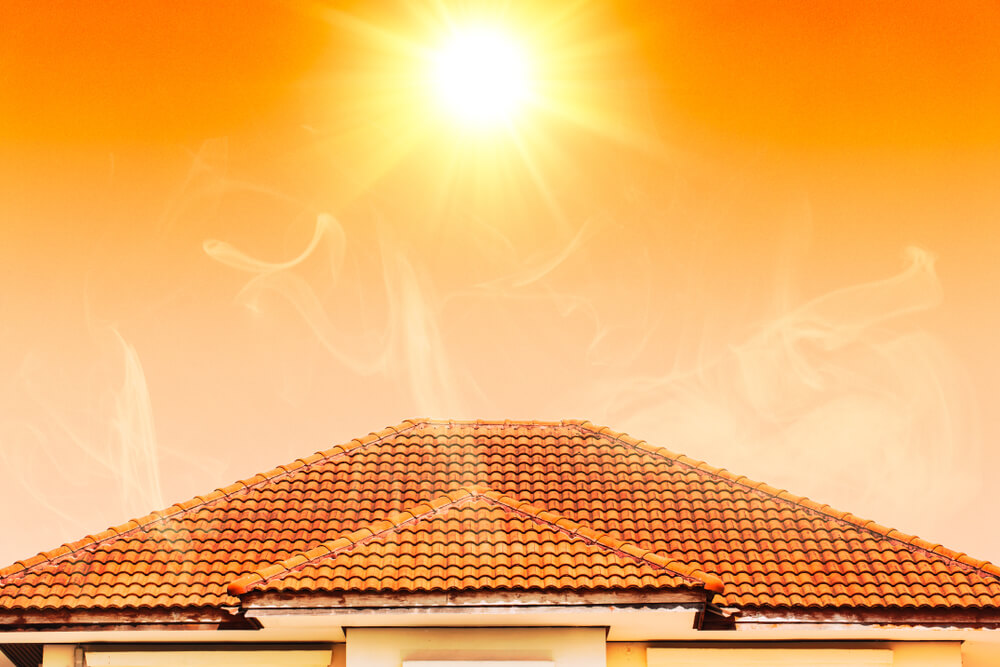
In many houses and condominiums, roof insulation is limited or missing entirely. Without thermal barriers or roof ventilation gaps, heat accumulates above ceilings and radiates downward into living spaces. This increases the indoor temperature by several degrees and forces air-conditioners to operate longer to maintain the same comfort level. A difference of just 2 to 3 degrees Celsius indoors can increase cooling energy use by 15 to 25 percent over time.
Electrical Systems and Inefficiency
Older properties often rely on wiring systems that were not designed for today’s electrical demand. As homes add more air-conditioners, water heaters, induction cookers, and electronics, circuits become heavily loaded. Increased resistance in undersized or aging wiring causes energy to be lost as heat inside walls and panels. That heat represents wasted electricity and increases operating temperatures inside distribution boards.
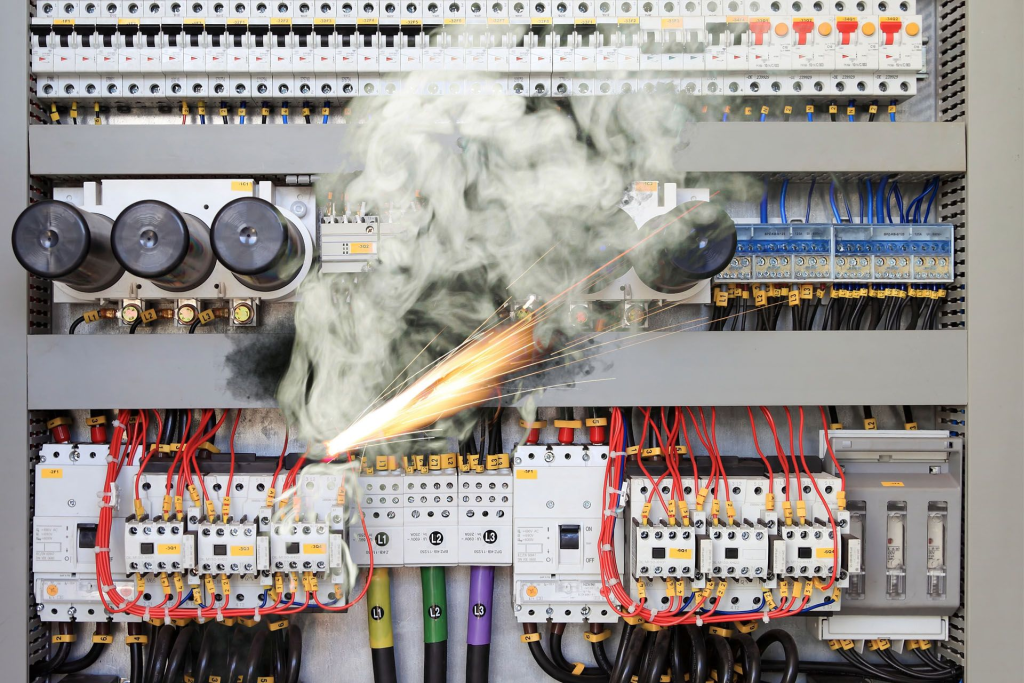
Loose connections, unbalanced circuits, and outdated breakers further reduce efficiency and increase wear on equipment. These losses are small individually, but when present throughout a system, they contribute meaningfully to higher monthly consumption and increased maintenance needs.
Cooling Systems Working Against the Building
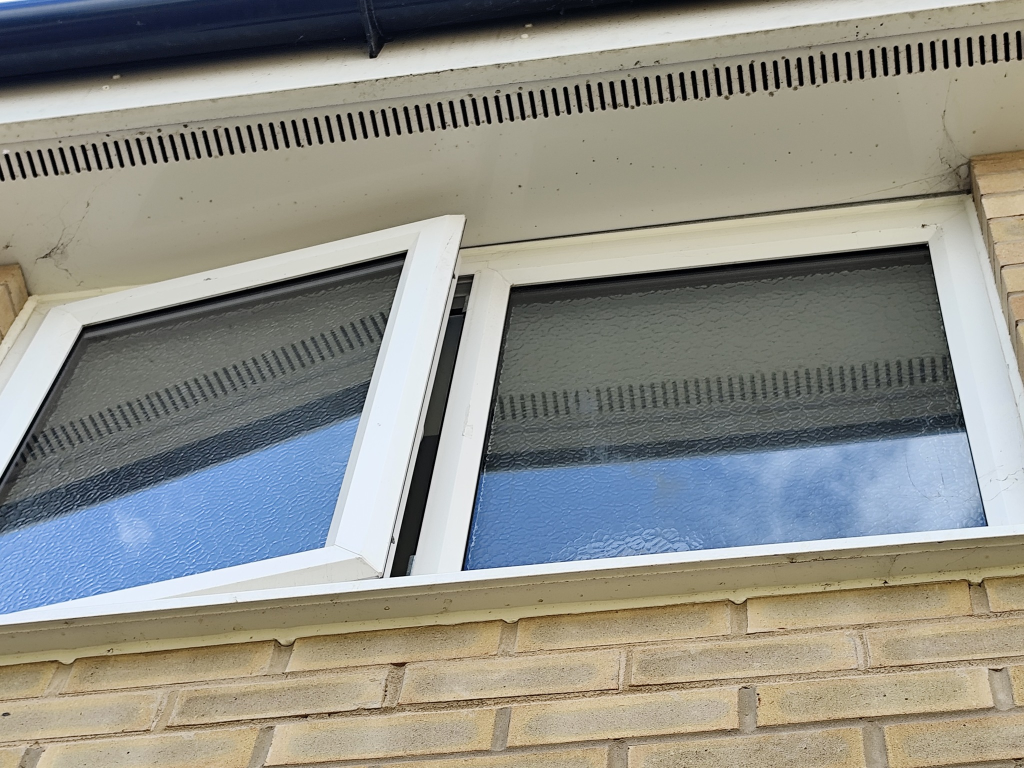
Air-conditioning cannot compensate for structural inefficiency. In many Thai homes, cooled air escapes through poorly sealed doors, windows, balconies, and ceiling gaps. At the same time, hot outdoor air enters continuously. This exchange forces cooling systems to run almost constantly.
Bathrooms, kitchens, and laundry areas add moisture and heat to the indoor environment. Without proper exhaust ventilation, warm humid air spreads through the home. Removing both heat and moisture requires significantly more energy than cooling dry air alone, which further increases electricity demand.
Why Solar Alone Is Not Enough
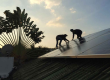
Solar panels can reduce grid electricity use, but they do not correct the underlying causes of high demand. Installing solar on an inefficient building offsets waste rather than reducing it. Heat gain, air leakage, and electrical losses still exist, requiring a larger solar system to achieve the same reduction.
In many cases, improving insulation, sealing air gaps, upgrading wiring, and improving ventilation can reduce overall electricity consumption by 20 to 40 percent before solar is even considered. Once demand is lowered, a smaller and more cost-effective solar installation becomes sufficient.
Practical Ways to Reduce Power Use
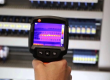
Effective reduction begins with inspection rather than equipment replacement. Heat mapping can identify where heat enters through roofs and walls. Electrical testing reveals resistance losses and overloaded circuits. Airflow assessment shows where cooled air escapes and outdoor heat enters.
From there, targeted improvements can be made. Roof insulation and radiant barriers reduce heat transfer. Sealing gaps around windows, doors, and ceilings reduces air leakage. Upgrading wiring and distribution panels improves efficiency and safety. Exhaust fans in moisture-producing areas reduce humidity load on cooling systems. These steps reduce baseline energy demand and make cooling more effective.
When Professional Assessment Is Needed
If electricity bills continue rising without changes in usage, or if rooms feel warm despite continuous cooling, a structural and electrical assessment is advisable. Indicators include hot ceilings at night, frequent air-conditioner cycling, tripping breakers, flickering lights, or warm electrical panels.
EPS conducts building and electrical assessments that include heat analysis, wiring evaluation, ventilation planning, and solar integration. The objective is to identify where energy is being lost before upgrades are made.
With experience in electrical work, insulation, ventilation, and solar systems adapted to Thailand’s climate, EPS helps property owners reduce unnecessary energy use, improve comfort, and extend equipment lifespan. Addressing building performance first creates lasting reductions in electricity costs rather than temporary offsets.