The Real Reason Your Walls Keep Getting Moldy
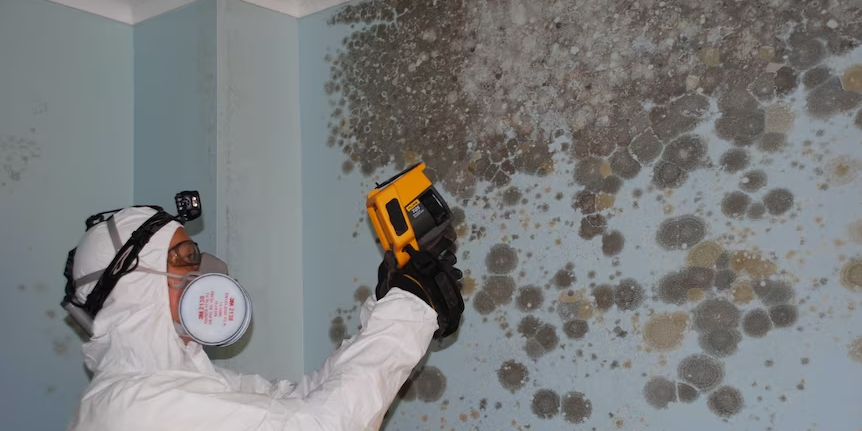
Mold on painted walls is a recurring issue for many homeowners in Thailand. It often reappears only weeks after repainting, spreading across corners and ceilings even after thorough cleaning. The main cause is not poor maintenance but a combination of trapped moisture, high humidity, and unsuitable painting methods. When walls are coated before they are completely dry, or when low-grade paint is used, moisture becomes sealed inside and creates conditions where mold easily develops. Understanding how these conditions arise is the first step toward long-term protection in Thailand’s tropical climate.
Moisture and Humidity: The Hidden Cause of Mold
Thailand’s warm and humid weather allows moisture to collect easily inside cement and plaster walls. Average humidity levels remain between 70 and 85 percent throughout most of the year, and in coastal provinces such as Chonburi or Phuket, humidity rarely drops below 60 percent even during dry months. When rainwater seeps through exterior cracks or when daily air-conditioning creates condensation, that moisture travels deep into the wall. The surface may feel dry, but the layers beneath can stay damp for days. Painting over that trapped moisture locks it in and creates conditions where mold quickly takes hold.

Poor ventilation in modern housing adds to the problem. Many townhouses and condominiums rely on sealed windows and constant air-conditioning, limiting natural air exchange. As humidity builds up indoors, moisture has nowhere to escape. Over time, this trapped dampness weakens the paint film, causes discoloration, and allows mold to form behind the surface. Without proper inspection or drying, stains and odor return after each repainting.
Painting Mistakes That Make It Worse
Many mold problems begin before the first coat of paint dries. In Thailand, surfaces are often painted while still holding moisture from recent plastering or cleaning. If a wall is not left to dry for at least forty-eight hours, that dampness becomes sealed beneath the coating. Primer is critical in reducing this risk because it seals pores in the cement, balances surface absorption, and strengthens the bond between the wall and topcoat. A high-quality primer also forms a partial moisture barrier, limiting vapor transfer through the paint film and lowering the chance of fungal growth.
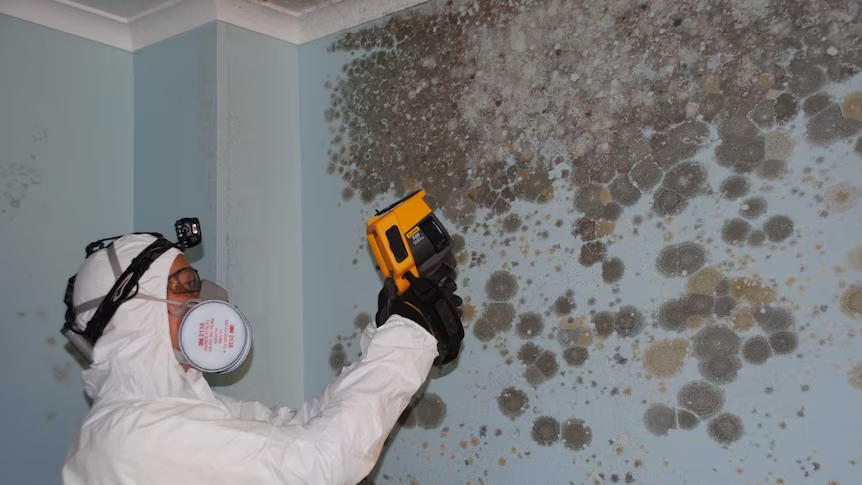
Selecting the wrong paint is another frequent cause of mold returning. Standard interior coatings are rarely suited to the humidity and alkaline salts present in Thai cement walls. For residential properties, anti-mold acrylic emulsions or elastomeric coatings designed for tropical environments perform better because they remain flexible, breathable, and chemically stable under high humidity. These paints also include biocidal agents that discourage fungal spores from spreading. Ventilation during painting is equally important. In enclosed spaces such as bathrooms or kitchens, poor airflow slows curing and traps moisture under the surface, which is why mold often returns once the rainy season begins.
How to Keep Mold Away
Effective prevention begins with proper preparation. Walls should be inspected for cracks, leaks, and rising damp, then left to dry completely for two to three days before primer is applied. Any existing mold or mildew must be cleaned with a mild biocidal solution to remove spores and surface residue. For reliable protection, choose coatings certified under Thai Industrial Standard (TIS) 2321 for humidity resistance. These paints are tested to withstand relative humidity levels of up to 95 percent, ensuring durability in tropical conditions. Painting during the cooler hours of early morning or late afternoon helps the coating cure evenly and reduces the chance of blistering.
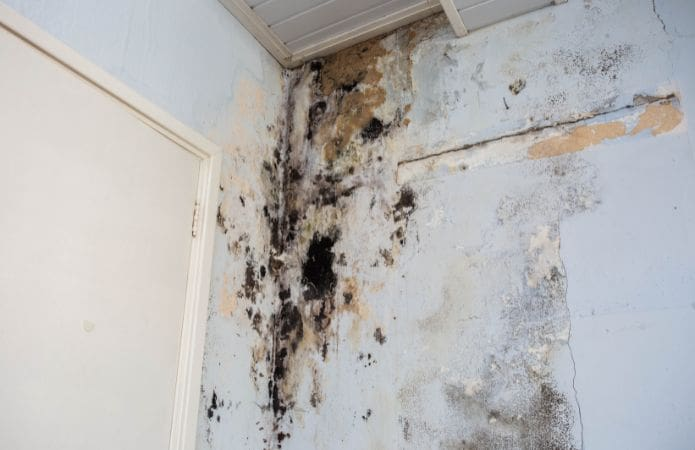
Good ventilation after painting is just as important as preparation. Airflow from windows, vents, or exhaust fans allows damp air to escape, while air-conditioning or dehumidifiers help maintain indoor humidity below 60 percent. Regular inspections of sealants, roof joints, and exterior walls every six to twelve months are recommended, especially in coastal or high-rainfall provinces. By combining careful preparation with certified coatings and consistent maintenance, homeowners can extend the lifespan of painted surfaces and prevent the cycle of mold returning each rainy season.
When to Call a Professional
Persistent mold that reappears despite cleaning or repainting often indicates hidden moisture or structural problems within the wall. If stains continue to spread or if paint blisters soon after drying, it is best to arrange an inspection by an experienced technician. EPS conducts detailed assessments that include moisture testing, leak detection, and coating evaluation to identify the true source of damage before any repainting begins.
Every project is completed using certified primers and coatings formulated for Thailand’s humid conditions, combined with professional surface preparation for long-term durability. With more than two decades of experience in residential and commercial maintenance, EPS provides clear recommendations and reliable workmanship that help homeowners maintain cleaner, safer, and longer-lasting painted surfaces. Choosing EPS means investing in protection that performs consistently in Thailand’s challenging climate.