Ceiling stains are a common maintenance issue in houses and condominiums across Thailand, particularly in properties with gypsum board ceilings and centralized air-conditioning. Yellow or brown discoloration often appears gradually, forming irregular patches or circular marks around air-conditioning vents, light fittings, and ceiling access panels. In many cases, no roof leak is present and no active dripping is visible, which makes the source difficult to identify. These stains usually develop as a result of condensation forming inside the ceiling cavity, where warm humid air meets cooler building components and deposits moisture above the finished ceiling surface.
Thailand’s climate creates persistent conditions for condensation. Average relative humidity remains above 70 percent for most of the year and often exceeds 80 percent during the rainy season. Indoor air-conditioning typically cools living spaces to 23 to 26 degrees Celsius. This difference between warm humid air and cooled building surfaces creates an environment where water vapor readily condenses inside ceiling voids.
Condensation and Thermal Movement in Ceiling Cavities
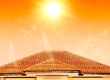
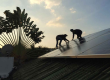
Warm air rises naturally and accumulates in ceiling spaces, carrying moisture with it. When this air contacts cooler roof structures, metal framing, or insulated surfaces, condensation forms. Roof surfaces in Thailand can exceed 60 degrees Celsius under direct sunlight and cool rapidly after sunset, creating daily thermal cycling inside ceiling cavities. This repeated heating and cooling drives cycles of condensation and evaporation that increase moisture retention within ceiling materials.
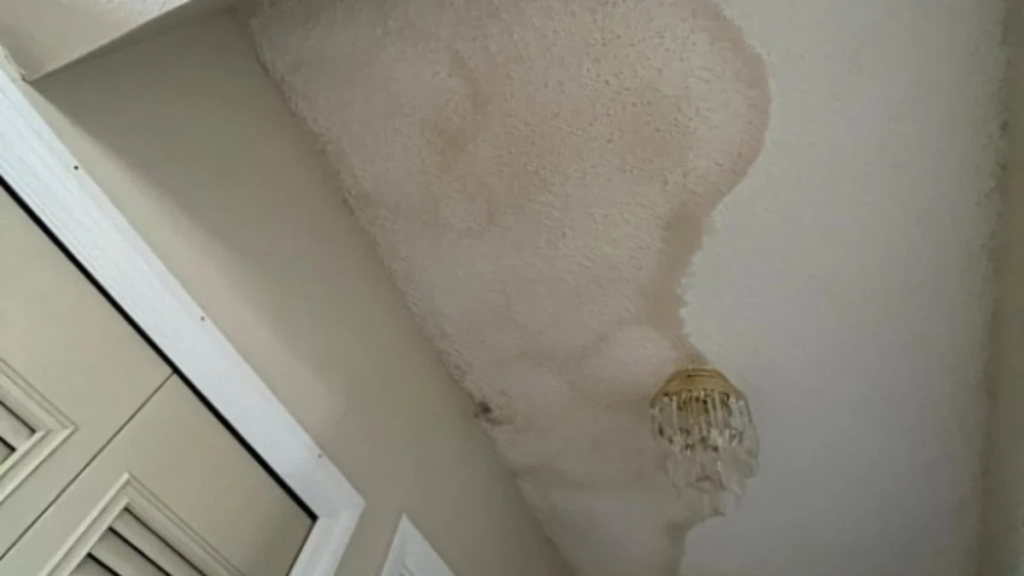
Over time, gypsum boards and insulation absorb this moisture. Because ceiling cavities are usually sealed and poorly ventilated, evaporation is limited and moisture remains trapped. This trapped moisture migrates slowly through porous materials until it becomes visible as staining on the ceiling surface.
Air-Conditioning Components and Cold Surfaces
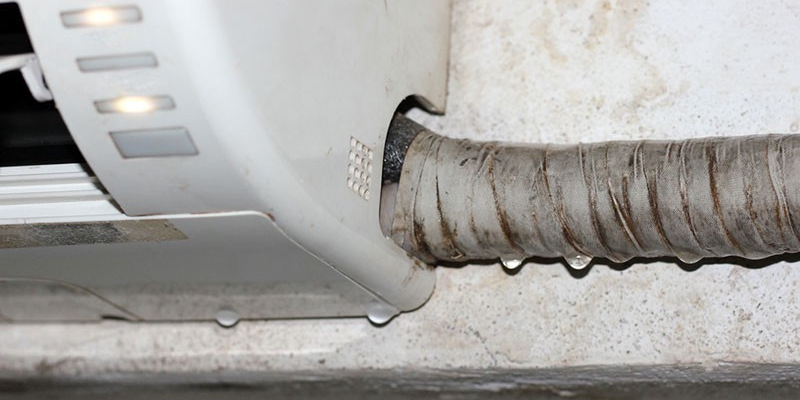
Air-conditioning ducts, refrigerant pipes, and chilled components commonly run through ceiling cavities in both houses and condominiums. These cold surfaces act as condensation points when exposed to warm humid air. Water forms on the outside of ducts and pipes, then moves along framing members or insulation until it reaches low points above the ceiling board.
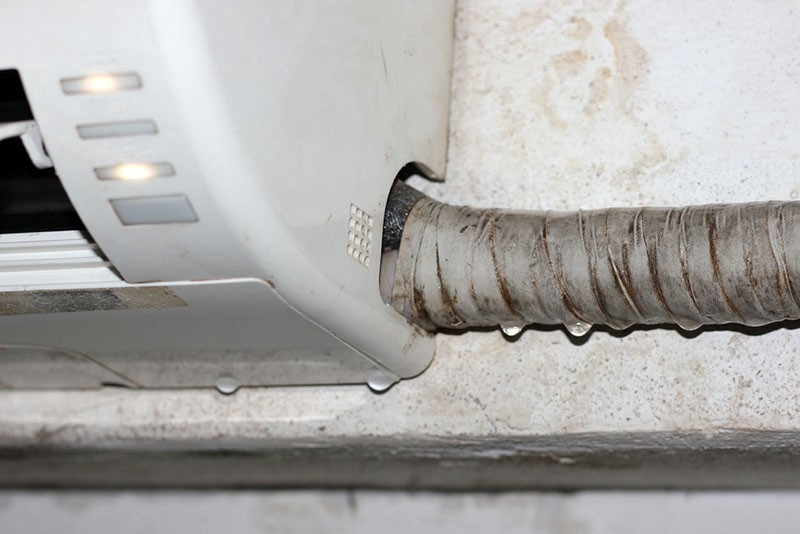
This pattern explains why stains often appear around air-conditioning vents, light fittings, and ceiling joints. These areas interrupt the ceiling surface and provide easier pathways for moisture to pass through and become visible.
Ventilation and Moisture Accumulation
Ceiling spaces are rarely designed with airflow or drying in mind. Without ventilation, warm humid air becomes trapped above the ceiling and remains in contact with cooler surfaces for long periods. This condition increases condensation and slows evaporation.
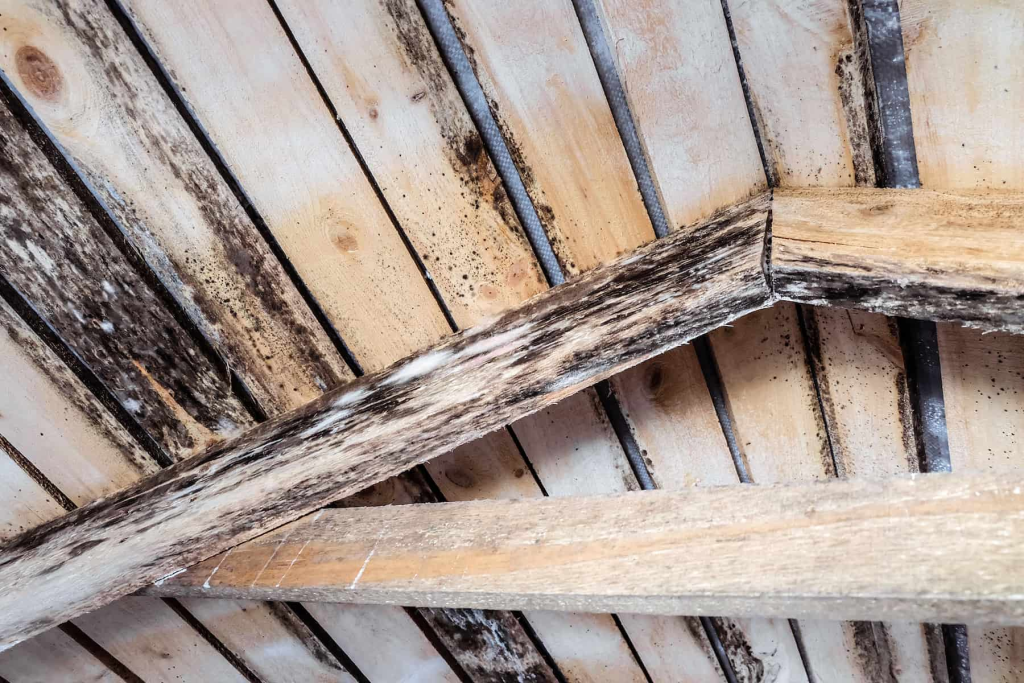
Lowered ceilings, decorative soffits, and additional insulation can further restrict airflow. In these configurations, moisture accumulates more quickly and stains develop more easily, even in buildings without leaks or structural damage.
Prevention and Professional Assessment
Prevention focuses on reducing moisture entry and limiting temperature differences inside ceiling cavities. Improving roof insulation reduces heat transfer. Insulating air-conditioning ducts prevents surface condensation. Introducing controlled ventilation into ceiling voids allows humid air to escape and dry air to enter. Maintaining indoor relative humidity below 60 percent through proper exhaust ventilation in bathrooms and kitchens further limits moisture migration into ceiling spaces.
Persistent ceiling stains, recurring discoloration after repainting, softening of gypsum boards, or surface sagging indicate moisture accumulation within the ceiling structure. These conditions require inspection beyond surface treatment.
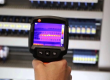
EPS conducts ceiling cavity inspections that include moisture measurement, insulation assessment, duct evaluation, and airflow review. Identifying condensation points and moisture pathways allows corrective action before cosmetic repairs are undertaken.
With experience in gypsum ceiling systems, insulation, ventilation, and building performance in Thailand’s climate, EPS supports long-term ceiling stability and interior surface protection.