Solar panel installation in Thailand is often evaluated in terms of system size, roof suitability, and potential electricity savings, while the condition of the existing electrical system receives far less attention. Many residential properties, particularly those constructed or renovated more than a decade ago, were not designed to support solar generation or the electrical demands of modern households. Although these systems may appear to operate normally, underlying limitations can become significant once solar panels are introduced. Without a clear assessment of electrical capacity, circuit protection, and safety compliance, homeowners may face performance issues, safety risks, or additional upgrade costs after installation. Understanding when electrical upgrades are necessary is therefore a critical first step before installing solar panels in Thailand.
Electrical System Capacity in Older Thai Homes
Many residential properties in Thailand were built at a time when household electricity demand was relatively modest. Older homes were commonly designed around single-phase supplies with main service ratings such as 15(45) amperes, which were sufficient for basic lighting, refrigeration, and limited air-conditioning. At that time, it was uncommon for homes to operate multiple air-conditioning units, electric water heaters, or electrically driven pool systems simultaneously. Electrical distribution boards and circuit layouts were therefore sized with minimal allowance for future load expansion or additional power sources.
As household usage patterns changed, electrical demand increased incrementally. A single modern air-conditioning unit can draw one to two kilowatts during operation, and homes that add multiple units, along with electric water heaters or pool pumps, can quickly approach the limits of their original supply capacity. These additions are often made without upgrading the main supply rating, wiring size, or distribution board configuration. When solar panels are introduced, the electrical system must accommodate both household demand and internally generated electricity, increasing current flow within circuits that were not designed for this operating condition. In such cases, limited system capacity becomes a measurable constraint, affecting both safety and system performance, and making electrical upgrades a necessary step before installing solar panels in older Thai homes.
Circuit Protection and Breaker Limitations
In many Thai homes, circuit protection was originally designed around relatively low and predictable electrical demand. Older residential distribution boards commonly use miniature circuit breakers rated at 10, 16, or 20 amperes for individual circuits, with main breakers sized to suit basic household loads. These ratings are adequate for lighting and small appliances, but they leave limited margin once multiple air-conditioning units, electric water heaters, or pool equipment are added. As demand increases, circuits can operate close to their rated limits for extended periods, increasing heat buildup and reducing the effectiveness of protective devices.
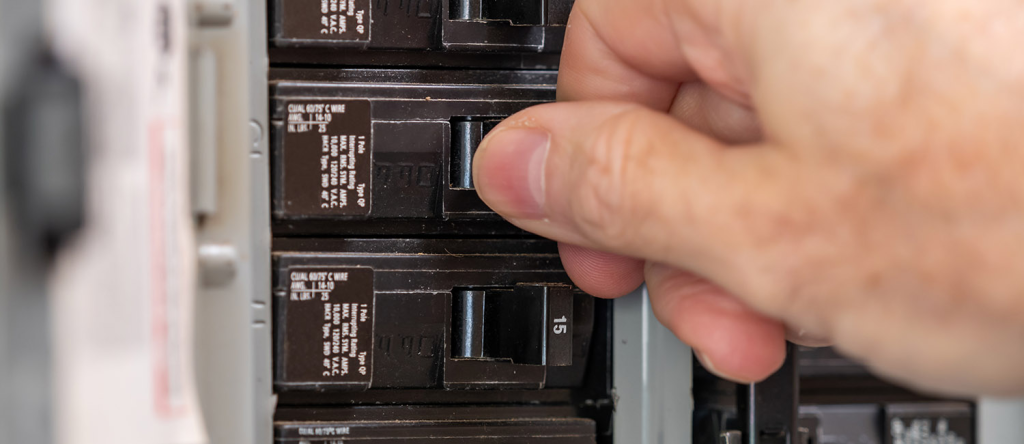
When solar panels are installed, circuit protection requirements become more complex. Solar generation introduces additional current into the system during daylight hours, which can combine with household loads on shared circuits or at the main distribution point. Breakers that were selected solely to protect against grid-supplied loads may not be rated or configured to handle this combined condition, particularly if residual current protection is limited or outdated. In such situations, nuisance tripping, uneven load distribution, or insufficient fault protection can occur. Addressing breaker ratings, protection types, and circuit allocation is therefore a necessary step to ensure that both household demand and solar generation are managed safely and reliably within the electrical system.
Grounding and Electrical Safety Compliance
In older Thai homes, grounding systems were often installed to meet basic safety requirements rather than the demands of modern electrical equipment. Many residential grounding systems were designed to achieve acceptable resistance for household loads but were not intended to support inverter-based systems or manage higher fault currents. In practice, grounding resistance values that are acceptable for basic domestic use can still be too high to ensure reliable fault protection once solar inverters and additional protective devices are introduced. Over time, grounding effectiveness can also degrade due to corrosion, soil conditions, or poorly maintained connections, particularly in coastal and high-humidity areas.
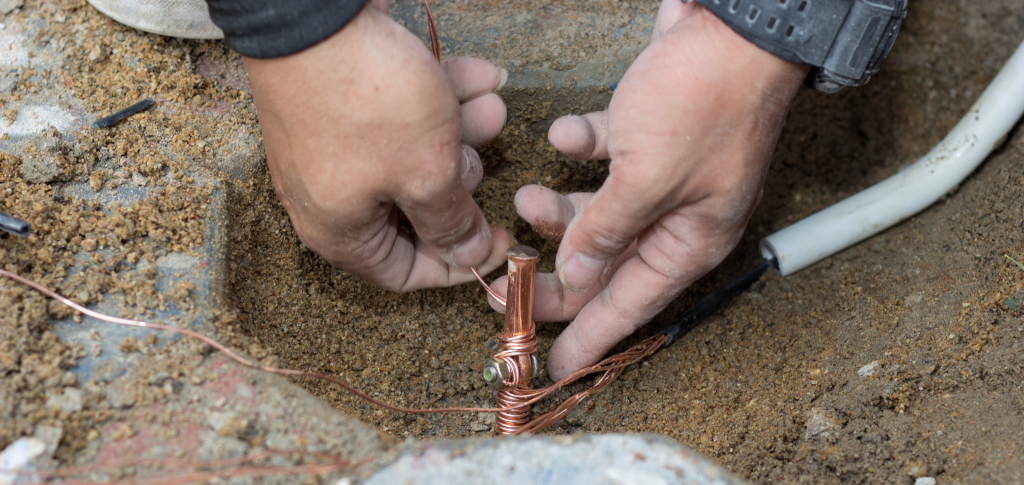
Solar installations place greater reliance on effective grounding because inverters, surge protection devices, and residual current protection all depend on a stable earth reference to operate correctly. In Thailand, where lightning activity and voltage fluctuations are relatively common, inadequate grounding increases the risk of equipment damage and reduces the reliability of safety mechanisms during fault conditions. If grounding resistance is excessive or grounding paths are incomplete, protective devices may fail to disconnect circuits quickly enough during abnormal events. For this reason, grounding inspection and improvement are often required before installing solar panels to ensure electrical safety, equipment protection, and compliance with current installation practices.
Distribution Boards and Solar Integration Requirements
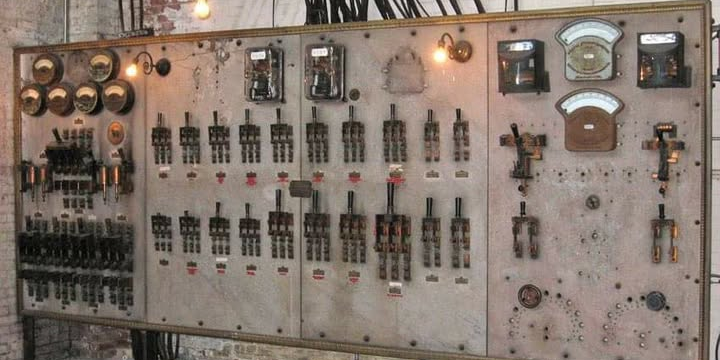
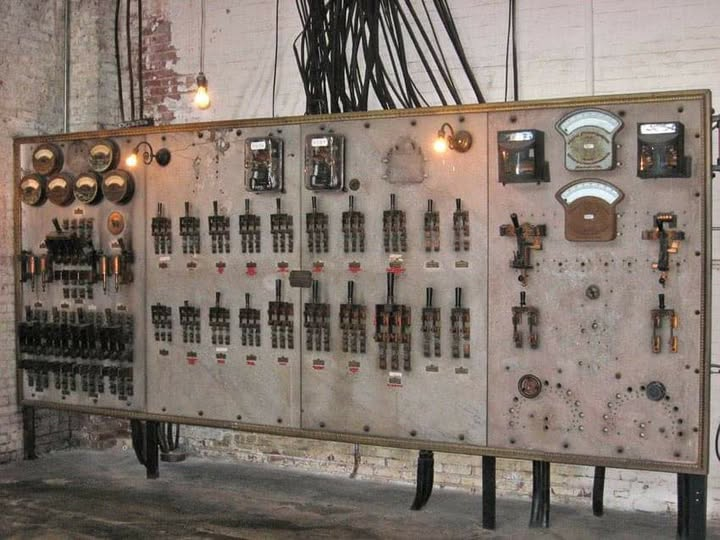
Many residential distribution boards installed in Thailand more than ten years ago were designed around limited circuit counts and lower overall current ratings. These boards often provide little spare capacity for additional breakers and may not be rated to accommodate the combined current from household demand and solar generation. In some homes, main distribution boards are already operating close to their design limits, particularly where multiple air-conditioning units and high-load appliances are in use. Under these conditions, adding solar input without modifying the board can create uneven load distribution or overheating at connection points.
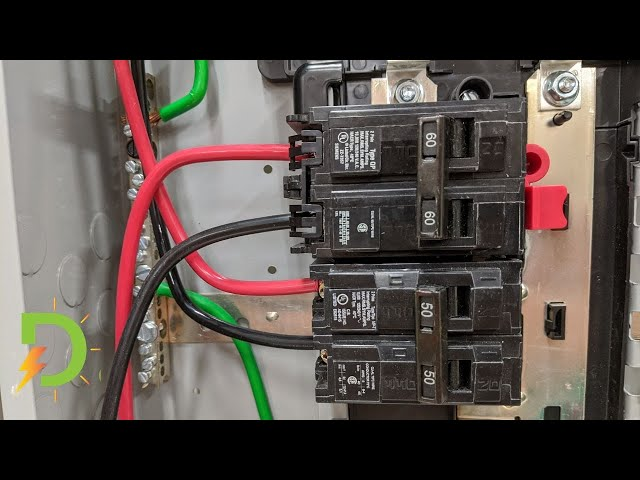
Solar integration requires dedicated circuit protection, clear isolation points, and sufficient spacing within the distribution board to safely connect the inverter. If existing boards lack space for additional breakers or do not support proper segregation between household circuits and solar input, upgrading becomes necessary. A modernised distribution board allows household loads and solar generation to be managed separately, improves protection coordination, and ensures that isolation and maintenance can be performed safely. Addressing these requirements before installing solar panels reduces the risk of non-compliant installations and ensures the electrical system can operate reliably under both normal and fault conditions.
Electrical Readiness Requirements for Solar Installation
Before solar panels can be installed safely and operate as intended, the existing electrical system must meet specific technical conditions. Factors such as main supply capacity, circuit breaker ratings, grounding integrity, distribution board configuration, and existing electrical loads determine whether a home can support solar integration without modification. Properties with undersized supplies, ageing protection devices, or incremental electrical additions may continue to function under normal household demand, but these limitations become critical once solar generation introduces bidirectional power flow and higher operating currents. Without verifying these conditions in advance, solar systems may be connected to infrastructure that cannot reliably support them, increasing safety risks and the likelihood of post-installation corrective work.
EPS evaluates electrical readiness by examining the home’s electrical system as a complete operating environment rather than as individual components. This includes confirming supply ratings, reviewing circuit allocation and protection types, inspecting grounding effectiveness, and verifying compatibility between the distribution board and inverter requirements. Assessments are based on conditions commonly found in Thai residential properties, where systems may have evolved through partial renovations over time. Where upgrades are required, recommendations are made to ensure electrical safety, compliance, and long-term system stability before solar installation proceeds, allowing solar systems to be integrated into electrical infrastructure that is properly suited to support them.